Blog

Read the latest from our scientists, educators, and staff!
August 25, 2026
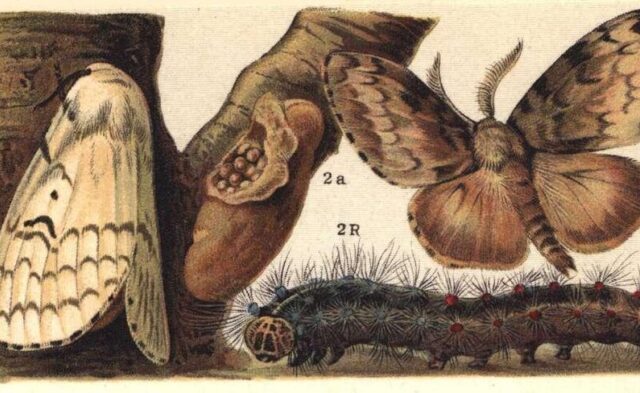
Naming our Future - A Spongy Moth Revelation
Content Warning: This blog post contains a discussion of historic derogatory language that is present in the common names of some insects. Hello! My name is Forrester Faia and I am a Collections Intern with the Collections & Archives Department at the Chicago Academy of Sciences/Peggy Notebaert Nature Museum. My project for the past 7 months has been processing specimens from the Teenagers Exploring and Explaining Nature and Science collection, also known as the TEENS collection. I identify, catalog, and label the different insects that were collected over the past ten years of the program into the museum's collections. When I started, I thought I would begin to tolerate insects a bit more. Not only have I become tolerant but, in fact, I have become obsessed with the wonderful world of insects.I didn't realize how much these little critters would grow on me as I worked to identify them, let alone how much I already liked them. I was looking through my camera roll and found images of pill bugs, a friendly praying mantis, and bountiful butterflies. Not to mention countless moths, beetles of all shapes, and even some arachnids, which are not insects but are just as cool. Even before I started identifying insects, I was taking photos of them. Until now, I haven't realized that my past was predicting my future.
July 20, 2026
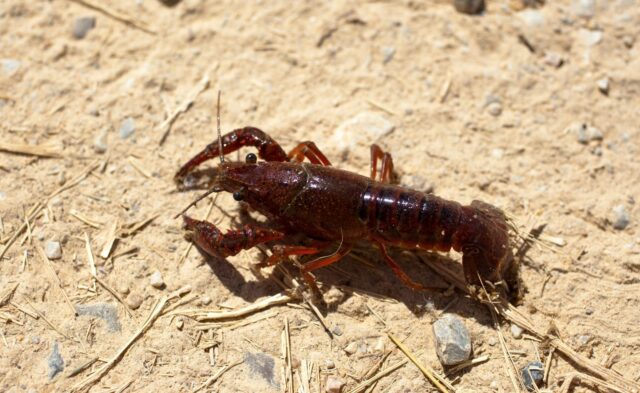
I never expected crayfish to become one of my favorite animals. After more than a decade studying turtles, however, these overlooked crustaceans have broadened how I think about wetland conservation and about the importance of museum collections for wildlife conservation. This is a story about my newfound love of crayfish and how my current obsession highlighted the importance of museum natural history collections for both science and fieldwork.
January 13, 2026
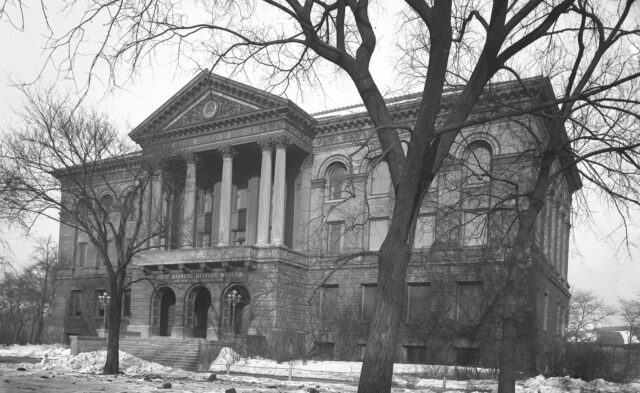
From the Archives: Grand Plans for Laflin Building
Recently, the Collections & Archives staff were processing oversize documents from the institutional archives and came across building plans for the Chicago Academy of Sciences’ building circa 1894 by Patton & Fisher Architects.
December 19, 2025
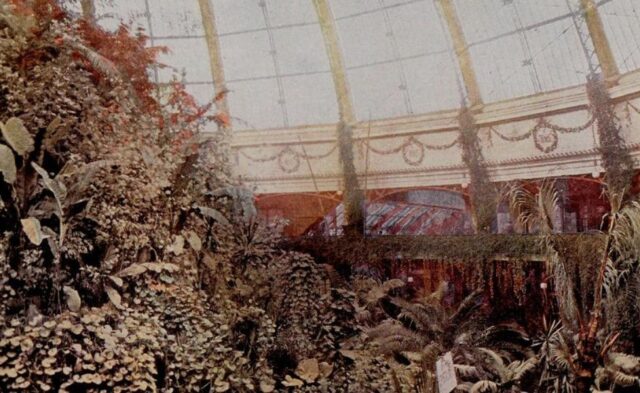
A “Seedy” Exploration of the 1893 Colombian Exposition
Throughout my time as a collections intern at the Peggy Notebaert Nature Museum I worked on a variety of different projects, but none brought me as much personal satisfaction as my work identifying and cataloguing one specific collection of seeds. Over the course of my fall semester, I worked closely with almost 100 vials of seeds acquired from the Field Museum in the 1950s. While I originally thought I would just be counting, cleaning, and rehousing old seeds, the project became much more. The process laid out seemed simple at the beginning: moving groups of seeds from dirty old vials to clean and standardized containers, and then transcribing their information into the museum’s online collections management system, Arctos. During what could have been a tedious transcription process, I encountered a mystery, and ended up falling down a hole of late-night research leading me back to 1893.

November 24, 2025
Did you know that many fascinating wild snake species live within driving distance of downtown Chicago? This past summer, I encountered over 500 snakes in natural areas across the Chicagoland area as part of conservation research efforts by the Chicago Academy of Sciences, with funding from the Morris Animal Foundation’s grassland wildlife health grant. The research team I was a part of is led by Dr. Sacerdote-Velat, who is the Curator of Biology and Herpetology/Vice President of Conservation Sciences at the Chicago Academy of Sciences and has been studying wildlife in the Chicagoland region for over 20 years. As part of her team, it was my job to search natural areas for snakes, briefly capture them to collect data and samples for laboratory analyses, and safely release them back into their wild habitat.(Important note: All handling of snakes was done under an active research permit and done in a manner that was safe and minimally stressful for the snakes, who were safely released where I found them after I collected samples and data)

July 14, 2025
The Life of Viola: What One Turtle Can Teach Us About Saving a Species
One of the hardest parts of wildlife biology is getting to know your research animals and then losing them. This is a tribute to a very special Blanding’s turtle I’ve known for 10 years who recently passed away. Her story reflects some of the joys and heartbreaks of this work, and how deeply we, as scientists, appreciate the animals that help us learn how to conserve nature.

April 15, 2025
These old herbarium labels are hard to read! Can you decipher them?
These labels include scientific names in LATIN, as well as Carl Linnaeus’ classification system using GREEK terms. The plant specimens were collected in Germany around 1900. Rather unique to these labels is the presence of the handwriting used at the time called KURRENT SCRIPT (or Kurrentschrift in GERMAN). It is challenging for us to read now, because it looks so different from our cursive handwriting. It has not been taught in German schools since 1941 so not many German-speaking people can read it either.