Partner Teacher Conference

Join the Peggy Notebaert Nature Museum for a day of collaboration with fellow partner teachers from across Chicago, as well as with Nature Museum scientists and educators.
- Time of Year
- Annually
- Location
- At The Museum
Ripple Effects: Small Changes, Big Impact
Saturday, November 14, 2026 | 9am – 3pm
Breakfast and check in starts at 8:30am
Teachers are eligible to receive Professional Development Clock Hours for attendance and can expect to leave with a variety of tools, strategies, and materials to use with their students in the classroom. Conference sessions will highlight Nature Museum scientists and the conservation science happening right here in and around Chicago. Each session will include connections to best practices in science education and the Next Generation Science Standards.
Conference Highlights
- Engage with museum scientists and educators through tailored breakout sessions centered around natural phenomena, urban ecology, and best practices in science education including the Next Generation Science Standards
- Leave with strategies and materials to use in the classroom
- Discover unique museum resources for in- and out-of-classroom learning
- Earn Professional Development Clock Hours
- Enjoy complimentary breakfast, lunch, and coffee
- Have a chance to win raffle prizes
Breakout Session Descriptions
Select the sessions that are most relevant and interesting to you! All participants will be inspired by the same keynote address then rotate through three breakout sessions. Each breakout session has four workshop choices. Please note, the workshop selections for Breakout Sessions 2 and 3 are the same. When you register, please make sure you have unique selections for Session 2 and Session 3.
BREAKOUT SESSION 1 WORKSHOP CHOICES
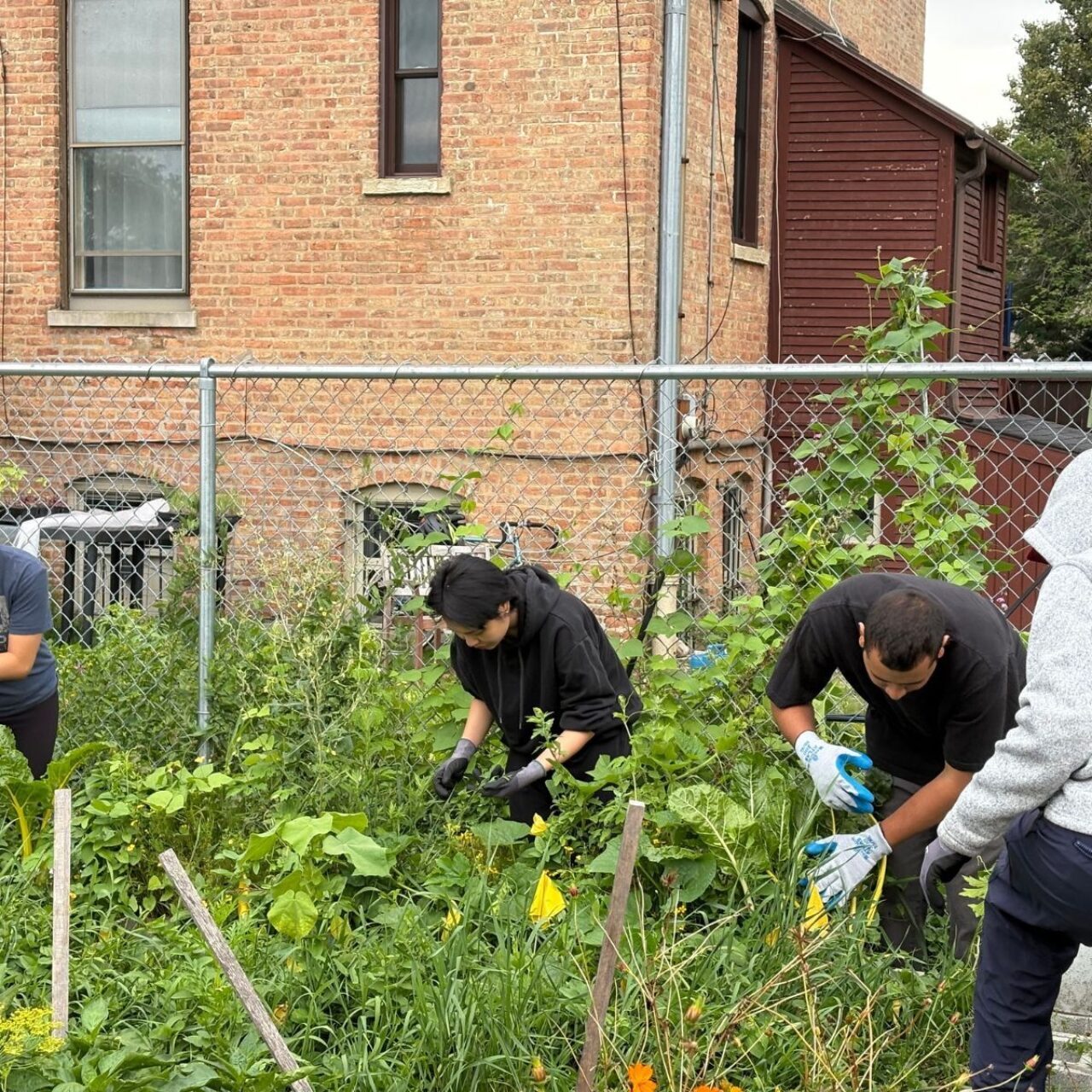
Whether big or small, a school garden is a perfect space for students to connect to where food comes from. Learn basic tips and tricks from the CPS School Garden Tool Kit about how to create a sustainable garden in your schoolyard, with Margo Mejia Sikora, the founder of Rainbow City Gardens.
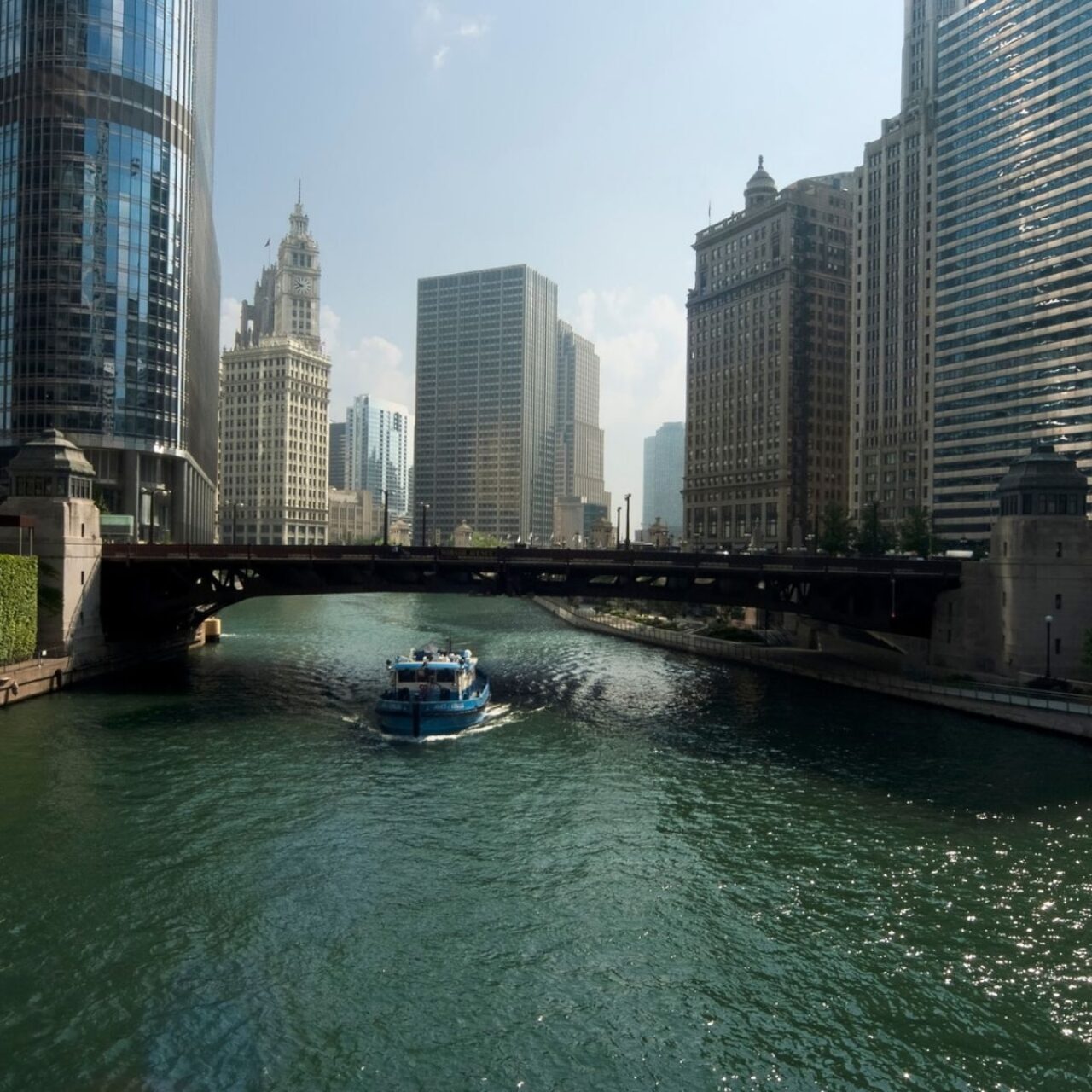
The Chicago River, called Checagou or Shikaakwa by the Algonquin and named for its abundant wild leeks, is mostly known for its history of factory runoff and combined sewage. Beneath all of that is a hidden history of wild nature not only surviving, but thriving thanks in no small part to the work of Urban Rivers. Join them as they take you into these city waters and all the life that calls them home.
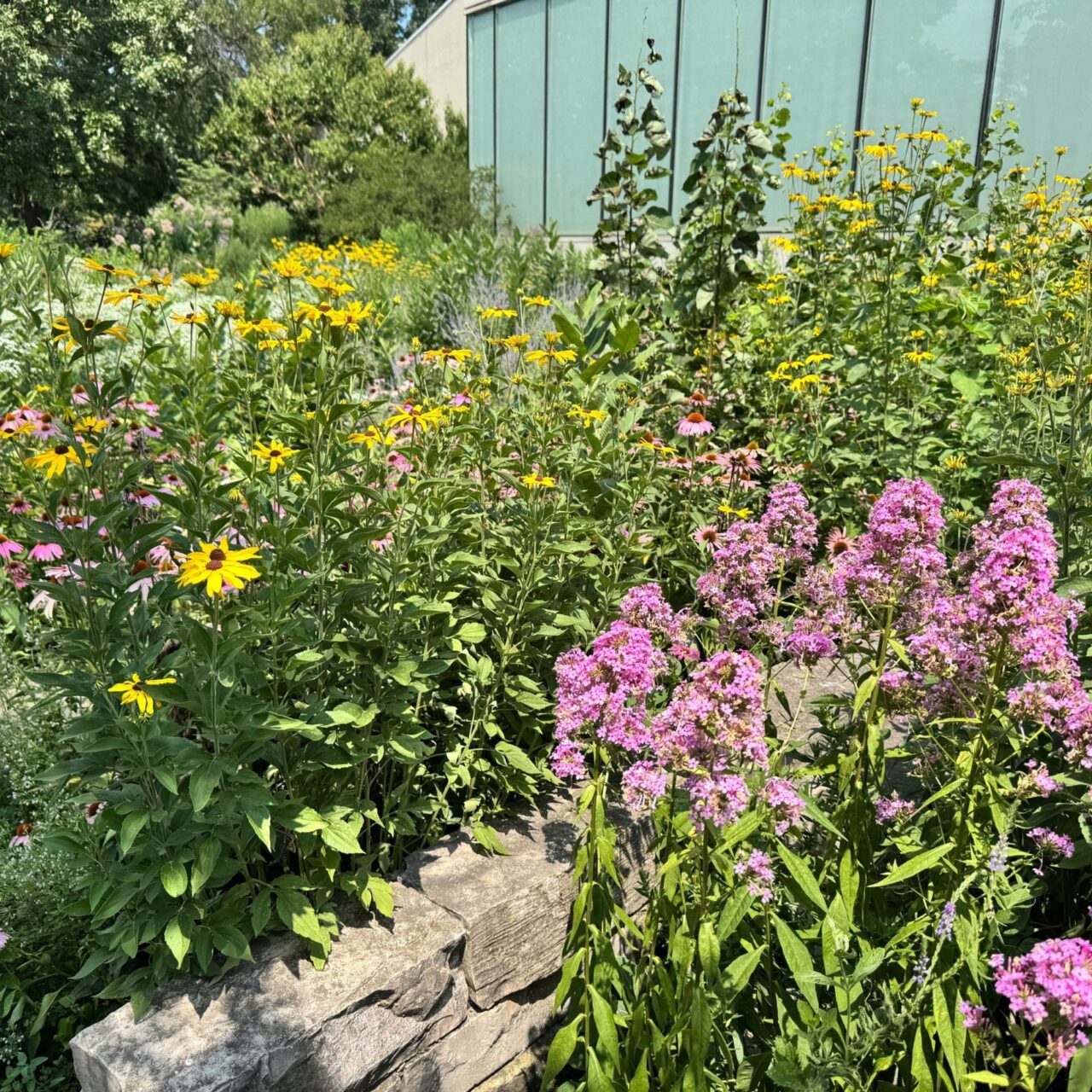
Join Seth Harper, Manager of Horticulture at the Peggy Notebaert Nature Museum, as we trace the natural history of a fictional Illinois town through 250 years of environmental changes to see how events large and small affect a landscape over time.
BREAKOUT SESSION 2 & 3 WORKSHOP CHOICES
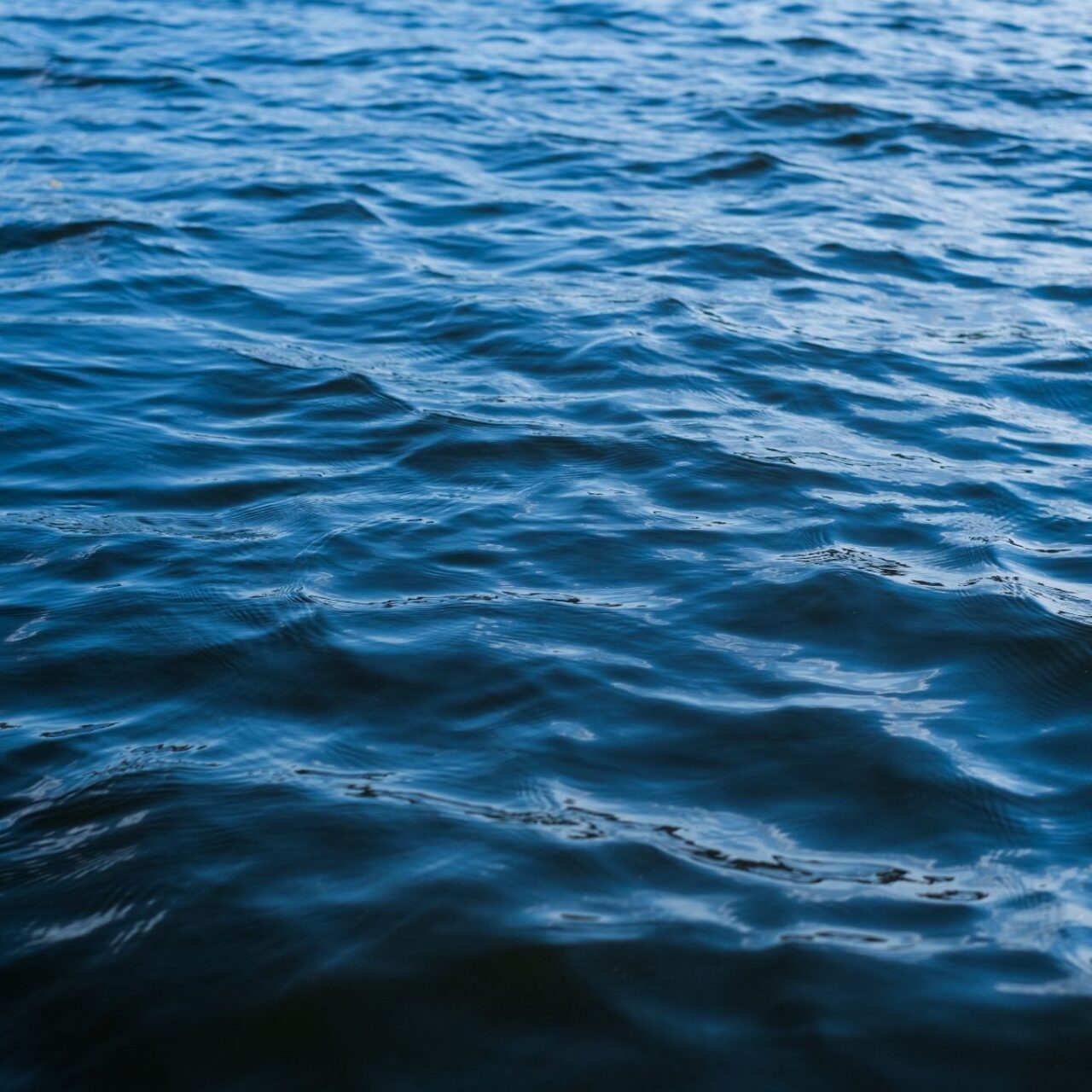
Water connects us all, even in urban spaces! Come learn about the role water plays in our city and beyond. Join us as we discover how water has shaped the past, the present, and the future.
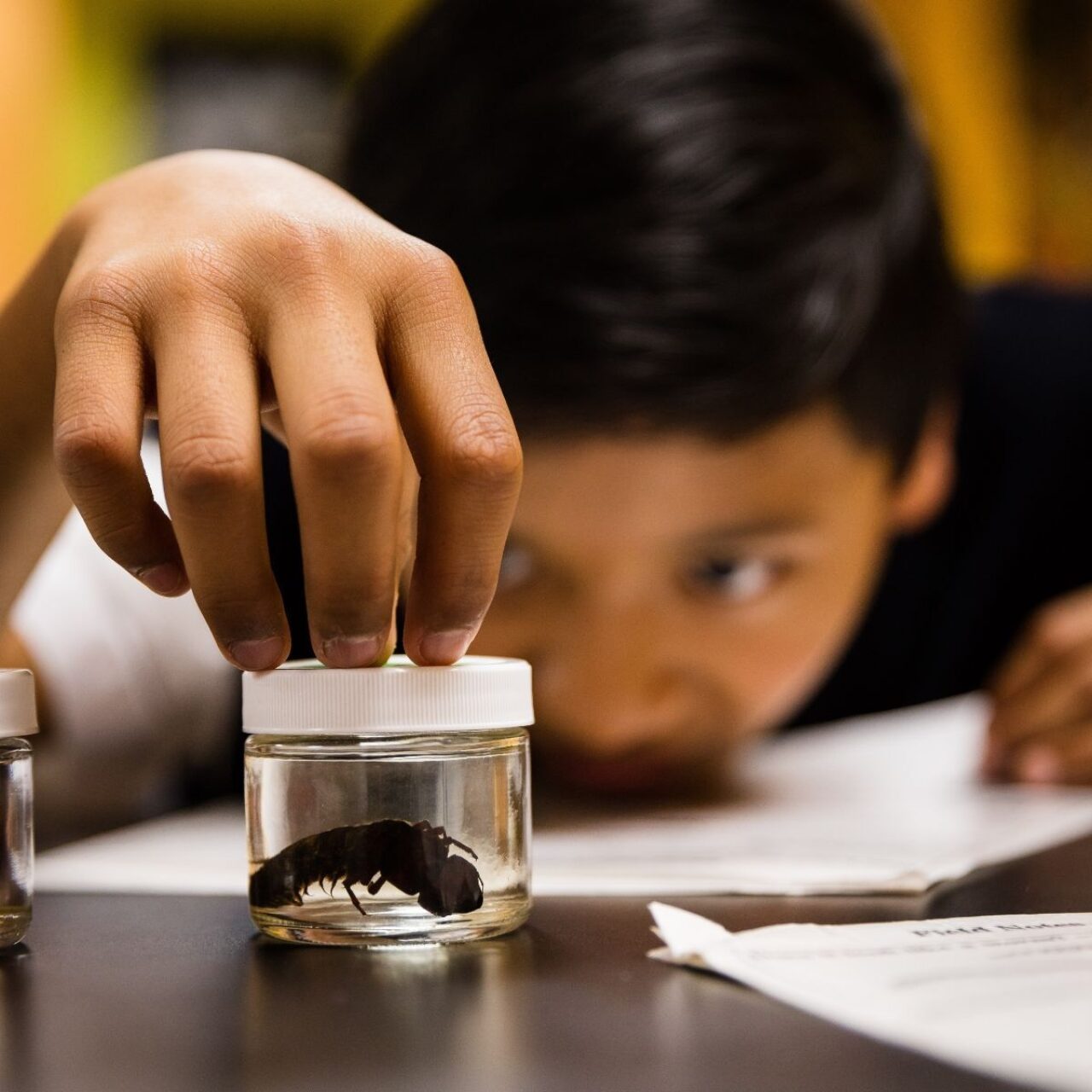
Using the frame of the Engineering Design Process, this session situates learners as people who investigate the world around them and figure things out together. We will explore how engaging in small moments of science practice can help build students’ lifelong identity and belonging in science.
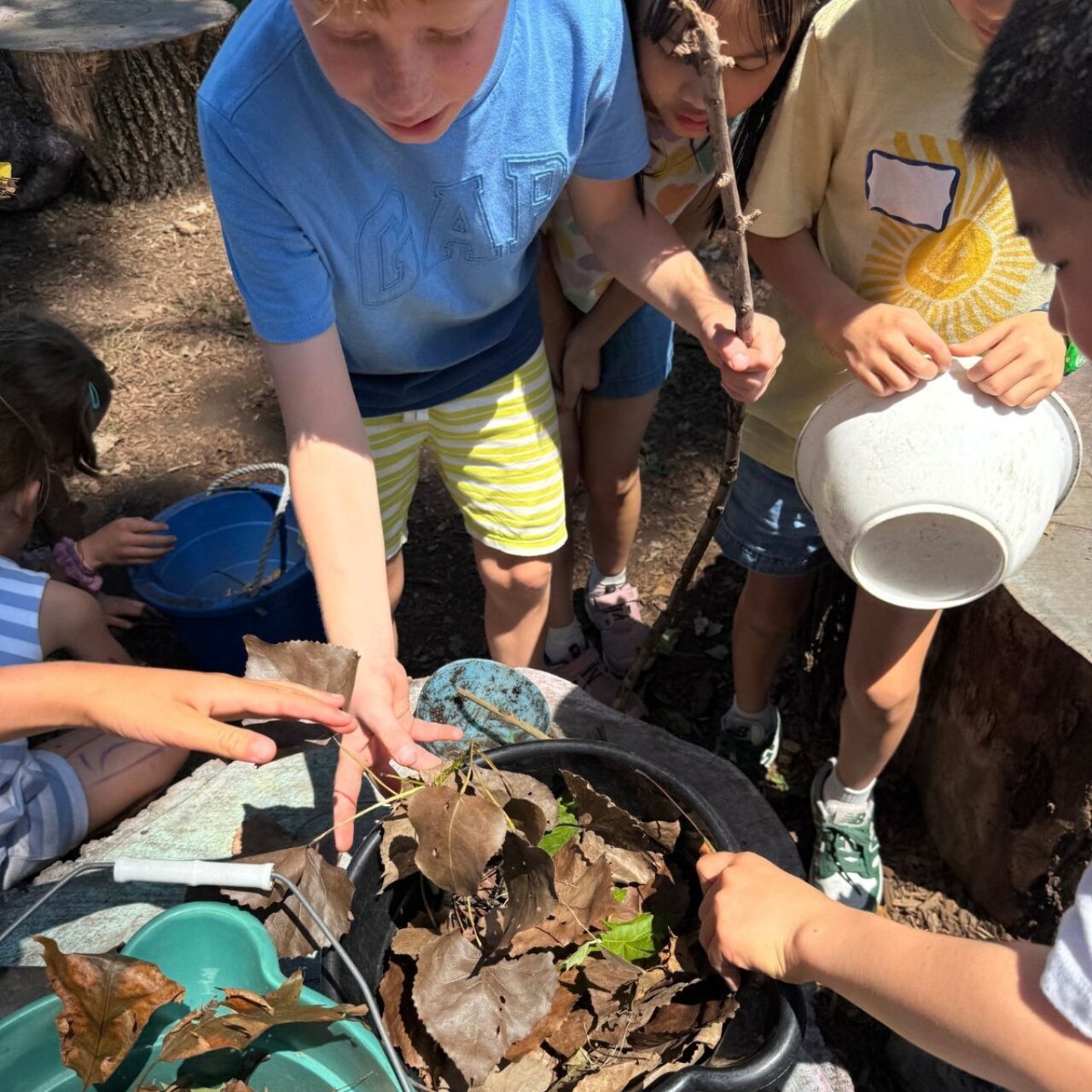
Learn how to integrate outdoor learning time into your schedule, one small step at a time. Explore the multitude of benefits your students will experience by observing, noticing, and wondering about the nature in their neighborhood.
Registration
The conference is only $10, but space is limited. Register early to ensure your spot and reserve your top breakout session picks.
If you have any questions please email teacherprograms@naturemuseum.org.
PARTNER TEACHER CONFERENCE EVENT SPONSOR
About Current
Current is an independent nonprofit water innovation hub, founded in Chicago in 2016, with a mission to grow a circular blue economy, accelerate water innovation, and solve pressing water challenges. Current collaborates with industry, innovators, communities, nonprofits and governments to advance innovative water technologies and policies that boost our economy while protecting our water resources. In 2024, Current was designated by the U.S. National Science Foundation to lead one of nine Regional Innovation Engines, Great Lakes RENEW (Recovery of Energy, Nutrients, critical Elements, and Water). To date, Current and our partners have delivered on RENEW's waste-to-wealth mission by collectively raising over $123.2M for regional water innovation and economic development, supporting 19 R&D projects, 40+ pilots, and 110+ startups, training 560 people for blue economy jobs, and engaging 1,650 youth in water STEM programming. Learn more: https://currentwater.org/
This work is supported by the Illinois Department of Natural Resources and National Oceanic and Atmospheric Administration under the Coastal Management Program grant to Current, No. 26-N25-14 NA25NOSX419C0074.
Experience nature and science up close with a trip to the Nature Museum.